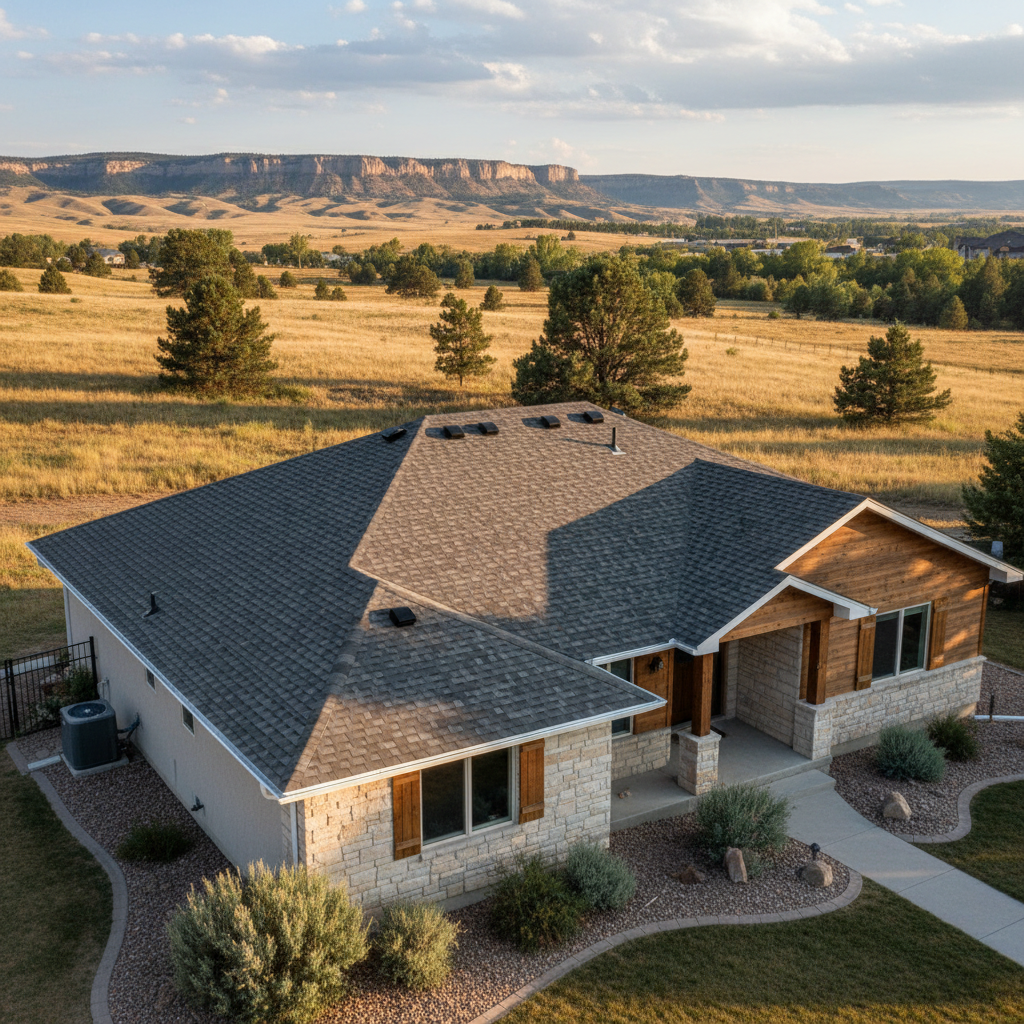
You want your roof to last, right? Of course you do. It's your home's first line of defense against everything Montana throws at it, from those brutal winter blizzards to the scorching summer sun. A little proactive inspection and maintenance can seriously extend your roof's life, saving you a ton of money down the road. I'm talking years, maybe even a decade or more, on top of what you'd get just letting it ride.
Your Roof's Lifespan: Easier to Extend Than You Think
Look, your roof isn't a 'set it and forget it' kind of deal. Especially not here in Billings. We get some wild weather swings, and that takes a toll. The biggest thing you can do to extend its life is just pay attention. Think of it like changing the oil in your truck – you wouldn't just drive it until the engine seizes, would you? Your roof needs that same kind of regular check-up.
Keeping your gutters clean is probably the easiest and most overlooked maintenance task. Clogged gutters mean water can't drain properly. It backs up, sits on your roof edges, and can seep under shingles, leading to rot and fascia damage. That's a direct path to premature roof failure. Also, trim back any tree branches that are scraping or hanging over your roof. Constant friction wears down shingles, and falling branches are an obvious hazard, plain and simple.
What Regular Maintenance Looks Like for a Billings Roof
For most homeowners, 'regular maintenance' means a visual inspection twice a year. I usually tell folks to do it in the spring, after the snow melts and before the summer heat really kicks in, and then again in the fall, once all the leaves are down. Here’s what you’re looking for:
- Shingles: Are they lying flat? Are any curled, cracked, or missing? You'll often see granules collecting in your gutters if your shingles are getting old. That's a clear sign of wear.
- Flashing: This is the metal around chimneys, vents, and skylights. It's critical for keeping water out. Check for cracks, rust, or any spots where it looks like it's pulled away from the roof or wall.
- Gutters and Downspouts: Make sure they're clear of leaves, twigs, and debris. Also, check that they're securely attached and not leaking.
- Soffits and Fascia: These are the boards under your roof's edge. Look for any signs of water damage, rot, or pest intrusion.
- Vents: Check all your roof vents – plumbing vents, attic vents – to make sure they're not cracked and are properly sealed.
- Attic Inspection: If you can safely get into your attic, take a flashlight up there. Look for water stains on the underside of the roof decking, especially after a heavy rain or snowmelt. You're also checking for proper ventilation; a stuffy, hot attic can cook your shingles from the inside out, shortening their life.
That spring inspection is especially important after our Billings winters. The freeze-thaw cycles we get, especially with that heavy, wet snow, can really stress your roof. Ice dams are a big problem here, and you want to catch any damage they might have caused early.
Warning Signs of Bigger Problems
Sometimes, what looks like a small issue is actually a symptom of something bigger. If you see any of these, don't just shrug them off:
- Water stains on your ceilings or walls: This is the most obvious sign you've got a leak. Don't wait on this.
- Sagging roof deck: If your roof looks like it's dipping in places, that's a serious structural issue.
- Missing or badly damaged shingles after a storm: Even if it's just a few, it compromises the whole system.
- Granules in your gutters or on the ground: While some granule loss is normal with age, excessive amounts mean your shingles are losing their protective layer.
- Mold or mildew growth on your roof: This often indicates trapped moisture or poor drainage.
- Higher energy bills: Sometimes, a failing roof or poor attic ventilation can cause your heating and cooling systems to work overtime.
I've seen folks in the Heights or near Alkali Creek ignore a small leak, and by the time they call us, they're looking at not just a roof repair, but interior drywall replacement, insulation remediation, and sometimes even structural wood repair. It gets expensive, fast.
When to Call a Professional
You can do a lot of your own preventative maintenance and visual checks, but there are definitely times when you need to bring in the pros. If you're not comfortable on a ladder, or if your roof is steep, just call us. It's not worth risking a fall. If you spot any of those major warning signs – sagging, significant leaks, widespread shingle damage – that's a job for an experienced roofer.
Also, if you've had a particularly nasty hailstorm or high winds, even if you don't see obvious damage, it's a good idea to get a professional inspection. Hail damage can be subtle, bruising shingles without tearing them, but it significantly reduces their lifespan. We've got the trained eye and the experience to spot those hidden issues. At Billings Roofing Company, we're always happy to come out and give you an honest assessment. We'll tell you what we see, what needs fixing, and what can wait. Better safe than sorry when it comes to your roof.