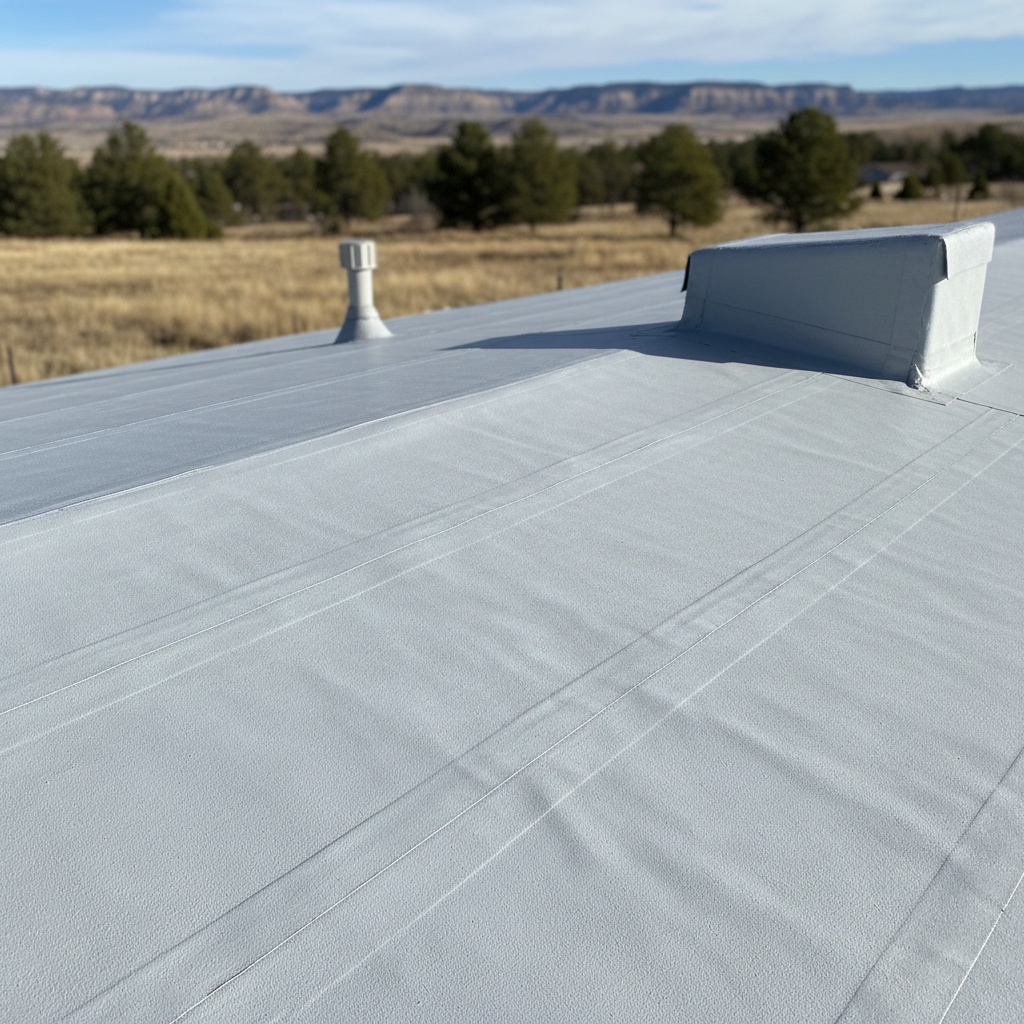
Alright, let's talk about TPO roofing for your home. You might think TPO is just for big commercial buildings, but it's actually a fantastic option for residential low-slope or flat roofs right here in Billings. Think about your garage, an addition, or even parts of your main house that don't have a steep pitch. It's tough, saves energy, and can really stand up to our Montana weather. But before you jump in, you've got to know what you're getting into, right?
Before the Project: Planning Your TPO Roof
First off, is TPO even the right fit for you? If your roof is almost flat, or has just a very slight slope, TPO is a strong contender. It's a single-ply membrane, usually white, gray, or tan, and it reflects a lot of sunlight. That's a big deal for keeping your cooling costs down in the summer, especially when the sun's really beating down on a dark roof. You'll want to think about your current roof's condition too. If it's leaking or showing serious wear, a full replacement is probably in order. If it's just old but otherwise sound, sometimes we can go over the existing roof, but I usually recommend a tear-off. That way, we're sure we're starting with a clean, solid deck.
Now, about doing it yourself. Can you install TPO? Look, I'm all for homeowners tackling projects, but TPO isn't like shingling a shed. It involves specialized equipment for welding seams, and if those seams aren't done perfectly, you're going to have leaks. And leaks on a flat roof? They can be a real nightmare to track down. You're dealing with a significant investment here, and the long-term performance really hinges on a professional installation. My advice? For the actual installation, call a pro. What you can do yourself is a lot of the prep work. Clear off the old roof if it's coming off, make sure the area around the house is clear, and move anything valuable. That saves time and money, believe me.
During the Project: What to Expect from Your Contractor
When you hire a company like Billings Roofing Company, here's what should happen. First, we'll inspect the roof deck. Any rotten wood needs to be replaced, no question. Then, we'll lay down an insulation board. This isn't just for R-value; it also creates a smooth, even surface for the TPO membrane and protects it from anything sharp on the deck. Next comes the TPO membrane itself. It's usually rolled out and then either mechanically fastened (screwed down with plates), fully adhered (glued down), or sometimes ballasted (held down by rocks, though that's less common for homes). The most critical part, though, is the seams. These are hot-air welded together, creating a watertight bond. A good crew will be super careful about this, checking every seam for integrity. They'll also pay close attention to flashing around vents, skylights, and parapet walls. These are common spots for leaks if not done right.
Expect some noise and activity, naturally. There will be equipment, materials, and people on your roof. Make sure you've discussed access points and where they'll stage materials. Communication is key, always. Ask questions if you see something you don't understand. A reputable contractor will be happy to explain their process, I promise.
After the Project: Maintenance and Longevity
Once your new TPO roof is on, you're not entirely off the hook. Regular maintenance is crucial to getting the full lifespan out of it. TPO is tough, but it's not invincible. Here's what you can realistically do:
- Keep it clean: Leaves, dirt, and debris can accumulate, especially in low spots. This can hold moisture and eventually degrade the membrane. Sweep it off a couple of times a year, or after any big wind storms we get around here.
- Check for punctures: If you've had other contractors on your roof (HVAC, satellite dish installers), or if there's been heavy hail, go up and look for any small holes or tears. We get some serious hailstorms in Billings, especially on the west end, so keep an eye out after those.
- Inspect the seams and flashing: Twice a year, or after a major weather event, take a walk around your roof. Look closely at all the welded seams and where the TPO meets other components like vents or walls. You're looking for any signs of separation, cracking, or lifting.
- Trim overhanging branches: Branches rubbing on the roof can wear down the membrane over time. Keep them trimmed back, alright?
What you probably shouldn't do is try to patch a major tear or re-weld a seam yourself. That's where you call your roofing contractor. They've got the right materials and tools to make a proper, lasting repair. A well-installed and properly maintained TPO roof can easily last 20-30 years, sometimes even more. It's a solid investment for your Billings home, giving you real peace of mind for decades.