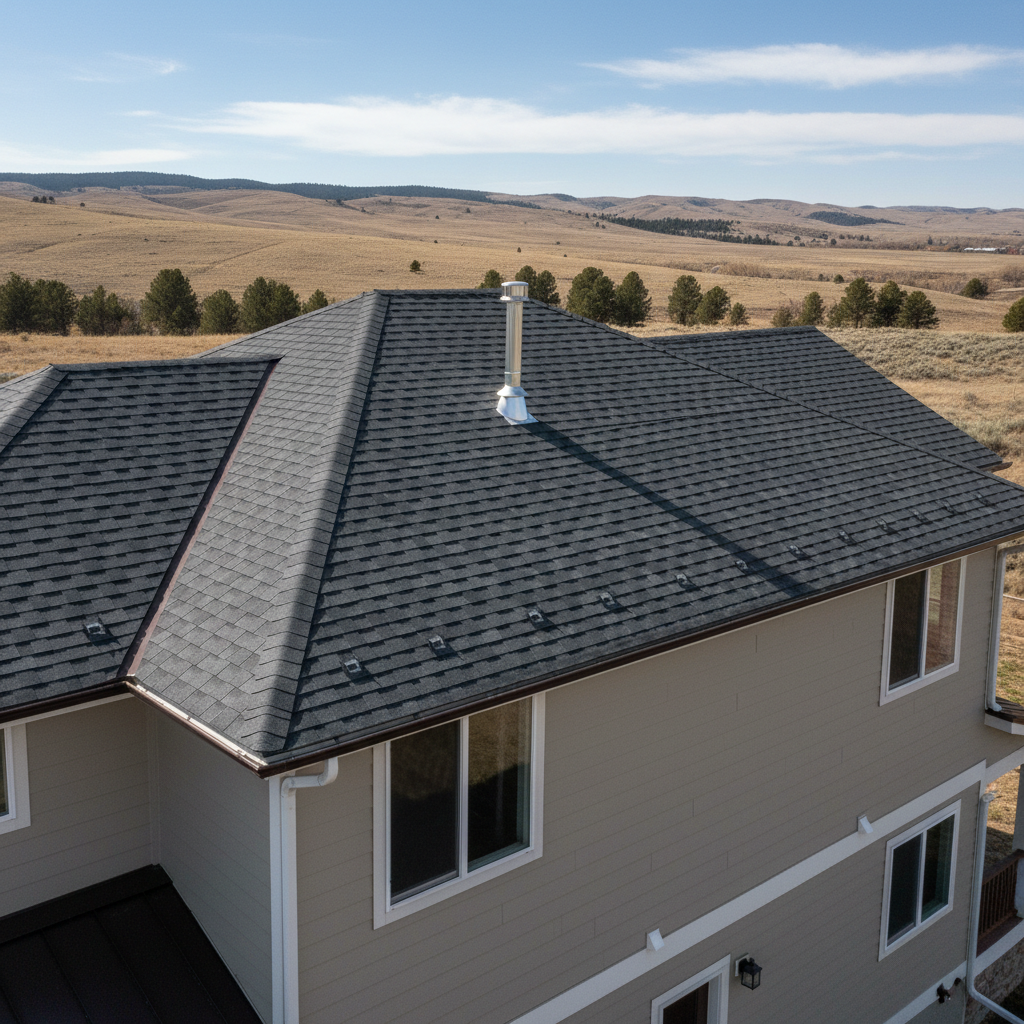
Your New Roof: It's Not Set-It-And-Forget-It
So, you've just put a brand-new roof on your house here in Billings. Maybe it's a fresh build out in the Heights, or a tear-off and re-deck in the Alkali Creek area. Either way, you've made a big investment, and you're probably thinking, "Great, that's done for 20 years!" Well, not exactly. A new roof, especially in Montana, still needs a little love to hit its full lifespan. Think of it like a new truck; you wouldn't skip the oil changes, right?
The biggest thing you can do to extend the life of your new roof is pretty simple: keep an eye on it. Out here, we deal with everything from scorching summer sun to brutal winter blizzards, and that takes a toll. Regular, proactive maintenance isn't just about fixing problems; it's about preventing them from ever starting. It's about getting ahead of the curve so a small issue doesn't turn into a major headache and an expensive repair down the road.
What Regular Maintenance Looks Like for Your Billings Roof
You don't need to be up on your roof every week, but a couple of times a year, or after any major storm, is a good idea. Here's what I tell folks to look for:
- Clear the gutters: This is probably the most important thing you can do. Clogged gutters mean water can't drain properly. It'll back up, sit on your fascia boards, and eventually seep under your shingles or into your soffits. In winter, that standing water turns to ice, creating ice dams that can lift shingles and cause serious leaks. Do this in the fall after the leaves drop and again in the spring.
- Trim those trees: If you've got branches hanging over or touching your roof, get 'em trimmed back. They can scrape shingles, drop debris, and provide easy access for critters. Plus, heavy snow or ice can snap branches, sending them crashing onto your roof.
- Check for debris: Leaves, twigs, pine needles – they all hold moisture. If they pile up, especially in valleys or around chimneys, they'll keep your roof wet, which can accelerate shingle deterioration and even lead to moss or algae growth. A quick sweep or blow-off can make a big difference.
- Inspect flashing: Take a look around your chimney, skylights, vents, and any wall-to-roof transitions. Make sure the flashing is still tight and sealed. Our big temperature swings can cause materials to expand and contract, sometimes breaking those seals.
- Look at your shingles: From the ground with binoculars, or safely from a ladder, check for any curled, cracked, missing, or blistered shingles. For asphalt shingles, look for excessive granule loss – that's the protective layer.
Warning Signs That Something's Not Right
Sometimes, your roof will tell you it's got a problem before you even see it from the outside. Don't ignore these signals:
- Water stains on your ceiling or walls: This is the most obvious sign, and it means you've got a leak. Don't wait on this; water damage spreads fast.
- Missing or damaged shingles after a storm: High winds are common here. If you see shingles in your yard, you know what to do.
- Granules in your gutters: A few granules are normal for a new asphalt roof, but if you see a significant amount, it could mean your shingles are aging faster than they should be, or they took a beating from hail.
- Sagging roof deck: If you can see a dip or sag in your roofline from the street, that's a serious structural issue and needs immediate attention.
- Higher energy bills: Sometimes, a compromised roof can lead to poor insulation, making your HVAC system work harder.
When to Call a Professional (Like Us at Billings Roofing Company)
Look, I'm all for homeowners being handy, but some things are best left to the pros. If you see any of those warning signs, or if you're not comfortable getting up on a ladder, that's when you call us. You should also call a professional if:
- You suspect hail damage. Hail can be sneaky; sometimes the damage isn't obvious from the ground. We know what to look for and how to document it for insurance.
- You notice significant shingle damage or missing shingles over a large area.
- You find active leaks inside your home.
- You're seeing moss or algae growth. We can treat that safely without damaging your roof.
- You just want peace of mind. Getting a professional inspection every few years, especially after a major weather event, is a smart move. We can spot potential problems before they become big, expensive ones.
Your new roof is built to last, but it's not invincible, especially with our unique Montana climate. A little attention goes a long way in protecting your investment and keeping your home safe and dry.