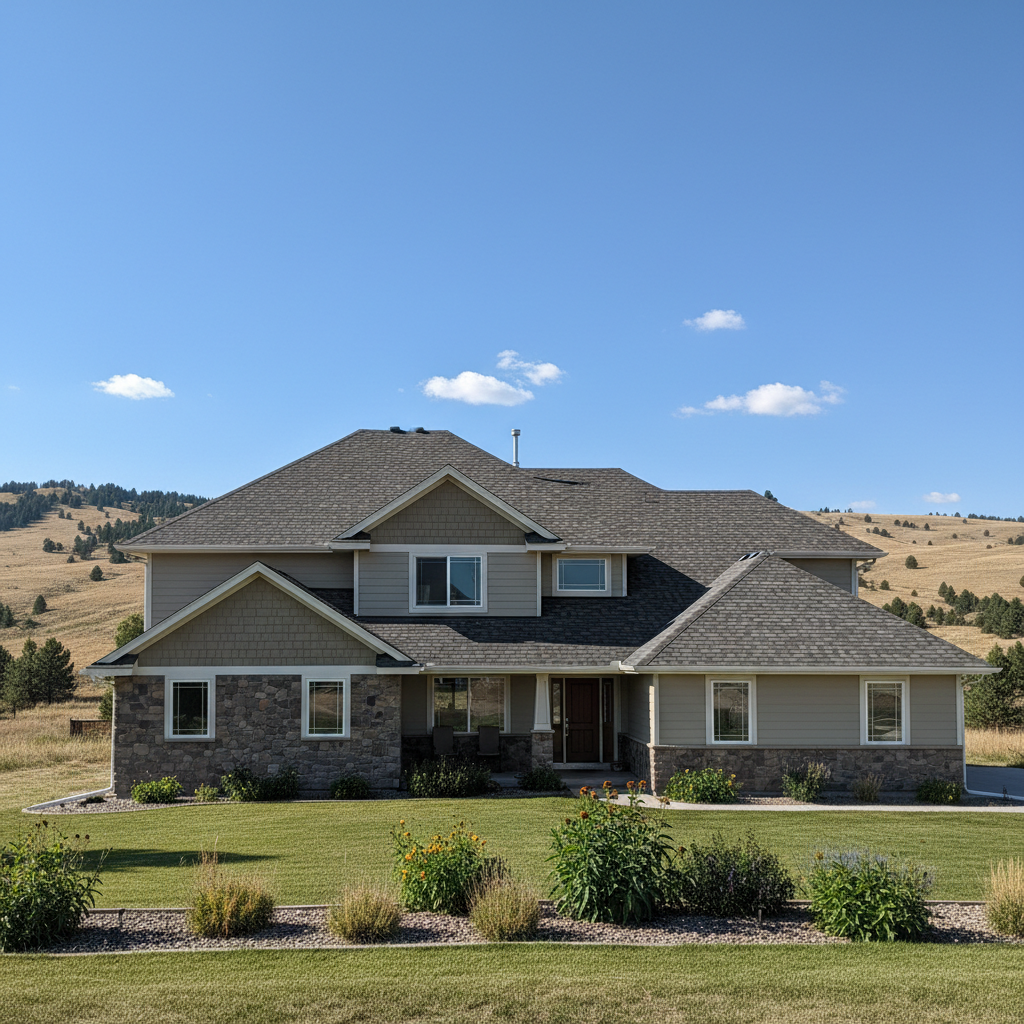
Looking for a roofer in Billings? It's not always as simple as picking the first name that pops up online. I’ve seen my share of good work and bad work over the years, and I want to help you avoid the headaches and expense of a shoddy job. Here’s what you really need to know when you're trying to hire someone to work on your roof, especially in our neck of the woods.
What Questions Should You Ask a Potential Roofer?
Don't be shy about asking questions. You're hiring someone to protect your biggest investment, so you've got every right to get answers. Here are the big ones I'd hit them with:
- Are you licensed and insured? This is non-negotiable. They absolutely need to be licensed by the state (check the Montana Department of Labor & Industry) and carry both general liability and workers' compensation insurance. Ask for proof, too, not just a verbal 'yes.' If they're not insured, and someone gets hurt on your property or they damage something, you could be on the hook for it.
- How long have you been in business in Billings? Experience really matters, especially in a place like Billings where we get everything from hailstorms to heavy snow. A company that's been around for a while knows the local conditions and building codes inside and out.
- Can you provide local references? Don't just take their word for it. Ask for names and numbers of recent customers right here in the Billings area. Call them! Ask about their experience, if the job was completed on time and on budget, and if they'd hire them again.
- What's your warranty? A good contractor will stand behind their work. You should get a warranty on both the materials (which comes from the manufacturer) and the labor (which comes from the roofer). Make sure you understand the terms and how long each one lasts.
- Who will actually do the work? Your crew or subcontractors? Some companies use their own employees; others subcontract everything out. Neither is inherently bad, but you should know who's showing up. If they use subs, ask how they vet them and what their oversight process looks like.
- How do you handle unforeseen issues? Sometimes you get up on a roof and find hidden damage, like rotten decking. Ask how they communicate these problems, what the process is for approving extra work, and how it impacts the timeline and cost.
What to Look For in a Roofing Quote
You'll probably get a few quotes, which is smart. But don't just compare the bottom line. A cheap quote often means corners are being cut, and nobody wants that. Here's what a good quote should include:
- Detailed Scope of Work: It should clearly state everything they're going to do. This means tear-off (if applicable), the type of underlayment, specific shingle brand and model, flashing details, ventilation, clean-up, and anything else. No vague language, please.
- Material Specifications: The quote should list the exact materials they'll use – brand, color, and specific product name for shingles, underlayment, drip edge, vents, you name it. This helps you compare apples to apples, right?
- Payment Schedule: A reputable contractor won't ask for 100% up front. Typically, it's a deposit to start (maybe 10-30%), with payments tied to milestones or completion. Be wary of anyone demanding a huge upfront payment.
- Proof of Insurance: They should attach copies of their liability and workers' comp insurance certificates.
- Start and Completion Dates: A good quote will give you an estimated timeline for when they'll start and how long they expect the job to take, weather permitting, of course.
- Clean-up Plan: How will they protect your landscaping and property? How will they dispose of old materials? This should definitely be covered.
Red Flags to Watch Out For
There are always a few bad apples out there, especially after a big storm. Keep an eye out for these warning signs:
- Door-to-door solicitations: While some legitimate companies do this, be extra cautious. Storm chasers often come through after hail, do quick, shoddy work, and then disappear.
- High-pressure sales tactics: