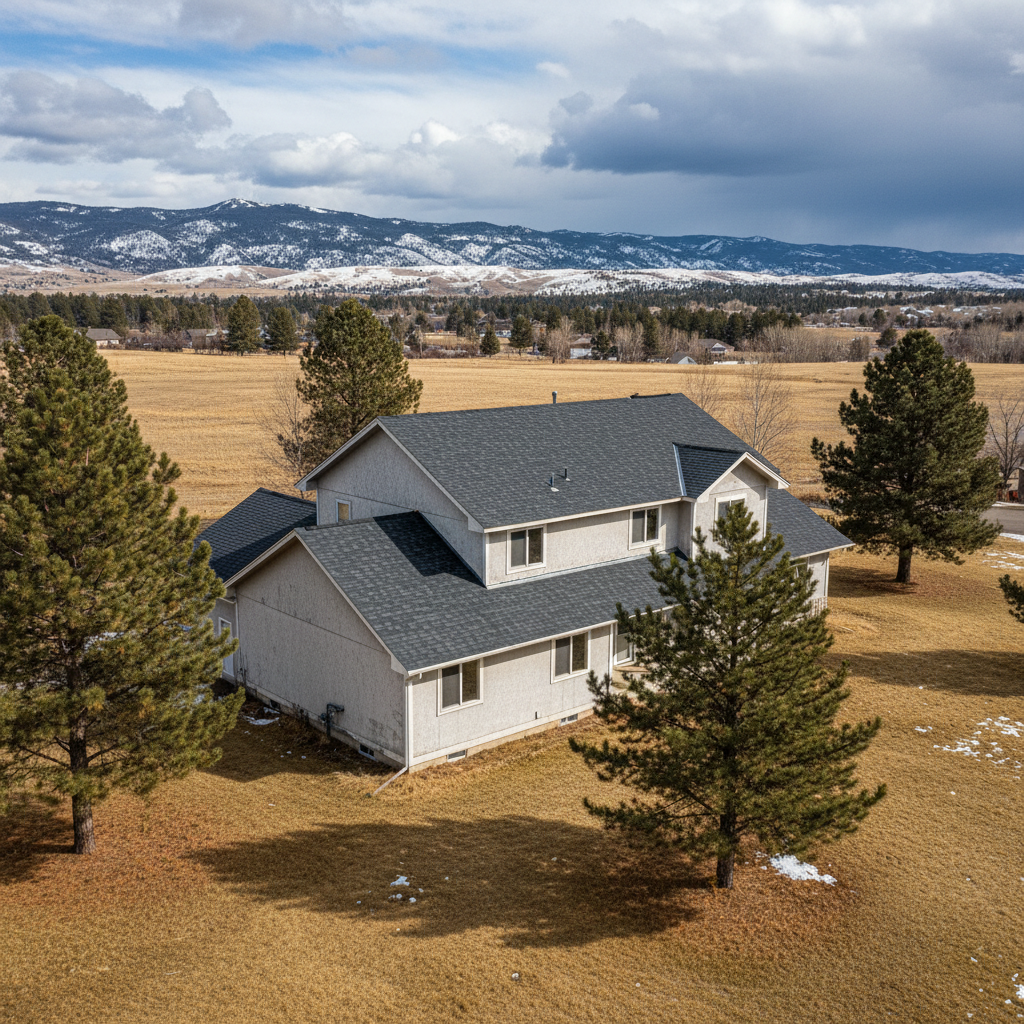
Got storm damage? Don't wait. I’ve seen firsthand what happens when folks put off roof repairs after a good Montana gully washer or a hailstorm. It might seem like a small thing now, but that little ding or lifted shingle can turn into a major headache and a much bigger bill down the road. We get some wild weather here in Billings, from those heavy, wet snows in spring to the intense summer hailstorms that can really do a number on a roof. Knowing when to act and what to look for can save you a lot of grief.
Understanding Billings' Weather & Your Roof
Our climate here in Billings is no joke. We deal with extreme temperature swings, high winds that whip across the plains, and those sudden, violent thunderstorms. These conditions are tough on roofing materials. Asphalt shingles can become brittle in the cold, then expand and contract quickly with temperature changes. That leads to cracks and granule loss. Hail, even small stuff, can bruise shingles, weakening their protective layers. High winds can lift and tear off shingles, especially on older roofs or those with damage already there.
I've seen homes in the Heights take a beating from hail that seemed to skip right over downtown. It's just how our weather patterns work. That's why regular inspections, especially after a big weather event, are crucial. You might not see the damage from the ground, but a professional eye can spot issues before they get out of hand.
When to Schedule Storm Damage Repair
The best time to get storm damage repaired? As soon as you can, safely. If you've got a leak, that's an emergency, and you need to get it addressed immediately to prevent interior damage. For less urgent issues, like missing shingles or hail dents that aren't actively leaking, you still don't want to drag your feet.
Here's the thing about our weather: it doesn't give you much of a break. If you wait until winter, you're dealing with freezing temperatures, snow, and ice, which makes repairs more difficult, more dangerous, and sometimes impossible until spring. Shingles don't seal properly in cold weather, and working on an icy roof is a huge safety risk. Ideally, you want to get repairs done in the warmer months, from late spring through early fall, when temperatures are consistently above freezing and we have longer dry spells. This allows materials to stick correctly and gives us the best working conditions.
We always try to prioritize storm damage, especially when there's a risk of water getting inside. Sometimes, we'll do a temporary patch to stop a leak until the weather clears enough for a permanent fix. Don't hesitate to call us at Billings Roofing Company if you suspect damage; we can usually get out there pretty quick for an assessment.
Weather Conditions That Affect Repair Work
You might wonder why we can't just get up there and fix it no matter what. Well, certain weather conditions directly impact the quality and safety of roof repairs:
- Rain and Snow: Obvious, right? Working on a wet or snowy roof is incredibly dangerous due to slipping hazards. Plus, you can't properly install new shingles or sealants on a wet surface. Water trapped underneath new materials can lead to mold, rot, and adhesion failures.
- High Winds: Trying to install shingles or other roofing materials in high winds is a nightmare. They can blow away, get damaged, or make it impossible to secure them correctly. Safety is also a major concern for our crew.
- Extreme Cold: As I mentioned, shingles need warmth to properly seal down. In freezing temperatures, the adhesive won't activate, leaving your new shingles vulnerable to wind lift. It also makes materials brittle and harder to work with.
- Extreme Heat: While less common for repair delays, extremely hot temperatures can make asphalt shingles too soft and easily damaged during installation. It's also a serious health risk for the crew.
We're always watching the forecast to schedule work efficiently and safely. Sometimes, we have to reschedule, and it's always for your benefit and the longevity of the repair.
Protecting Your Investment Year-Round
So, how do you protect your roof from our crazy Montana weather?
- Regular Inspections: Get your roof inspected at least once a year, preferably in the spring or fall. A professional can spot small issues like loose flashing, damaged vents, or granule loss before they become big problems.
- Clear Gutters: Clogged gutters can cause water to back up under your shingles, leading to rot and leaks. Keep them clear of leaves and debris, especially after autumn.
- Trim Trees: Overhanging branches can scrape and damage your roof, and in a high wind, they can break off and cause significant impact damage. Keep them trimmed back.
- Address Small Issues Quickly: Don't ignore that one missing shingle. It's an open invitation for water to get in and start causing trouble.
- Know Your Warranty: Understand what your roof warranty covers, especially regarding storm damage. Sometimes, insurance claims require specific documentation or timelines.
Your roof is your home's first line of defense against the elements. Taking care of it means taking care of your whole house. If you're ever in doubt about the condition of your roof after a storm, give us a call. We're here to help Billings homeowners keep their roofs in top shape.