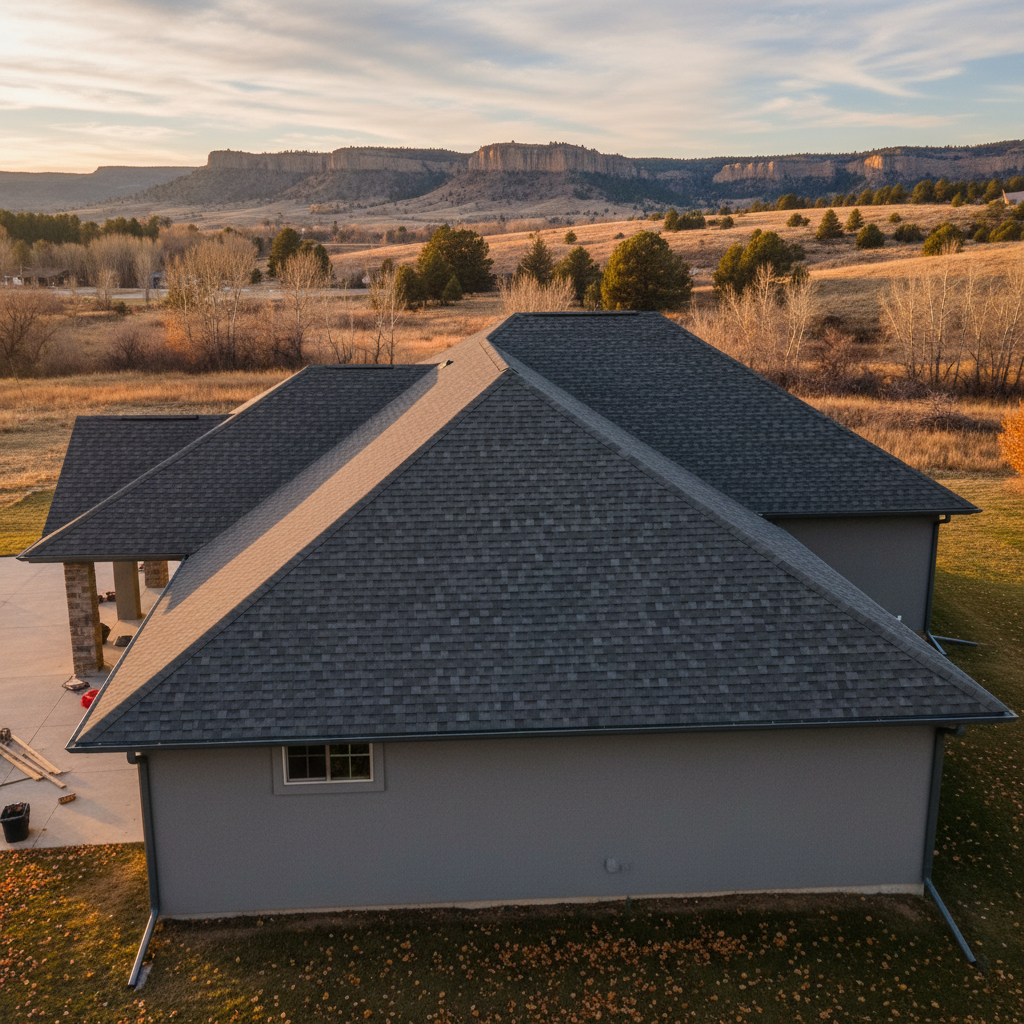
When's the best time to replace your roof here in Billings? That's a question I get asked a lot, and for good reason. Our weather isn't exactly predictable, is it? You've got to plan around those harsh winters, the spring wind, and even the occasional hailstorm that rolls through in summer. Getting the timing right can save you a lot of headaches, and frankly, a lot of money down the line.
Why Timing Matters for Your Roof
You might think, "A roof is a roof, just slap it on." But it's not that simple, especially with the kind of temperature swings we see. The materials we use, like shingles and sealants, perform best when they're installed within certain temperature ranges. If it's too cold, asphalt shingles can become brittle and won't seal properly. If it's too hot, they can be too soft and easily damaged during installation. Plus, the adhesives and sealants need time to cure correctly. You don't want a new roof that's compromised from day one just because it was put on during a cold snap in December or a sweltering July heatwave.
The Sweet Spot: Spring and Fall
From my experience, the absolute best times to schedule a roof replacement in Billings are late spring and early fall. Think May through June, and then September through October. During these months, we usually get more moderate temperatures – not too hot, not too cold. This allows the roofing materials to flex and seal correctly, giving you a much more durable and watertight finish.
- Spring (May-June): The ground's usually thawed, and we're past the worst of the winter storms. Temperatures are mild, which is ideal for shingle adhesion. You do have to watch out for those sudden spring showers, but a good crew can work around them.
- Fall (September-October): Similar to spring, the temperatures are usually just right. We're past the summer heat, and the really cold weather hasn't set in yet. It's often drier too, which is a big plus for keeping the job moving.
What About Summer and Winter?
Can you get a roof replaced in July or January? Sure, it's possible, and sometimes emergencies don't give you a choice. But it's not ideal. In summer, especially if we're hitting those 90-degree days, shingles get really hot and soft. It makes them more susceptible to scuffing and damage during installation. Plus, it's just harder on the crew, which can slow things down.
Winter is a whole different beast. We're talking about frozen shingles that can crack easily, sealants that won't cure, and ice dams forming even before the roof is fully sealed. You also have to deal with snow removal before you can even start, and short daylight hours. While Billings Roofing Company can handle winter repairs, a full replacement is much more challenging and often comes with more risks to the longevity of your new roof. If you've got a leak in December, we'll patch it up, but we'll probably recommend a full replacement in the spring if it's needed.
Protecting Your Investment Year-Round
Once you've got that new roof on, you want it to last, right? Here's what you can do:
- Regular Inspections: I tell all my customers to get their roof inspected at least once a year, preferably in the spring after the snow melts. We can catch small issues like loose shingles or damaged flashing before they turn into big, expensive problems.
- Keep Gutters Clean: This is a big one. Clogged gutters mean water can't drain properly, leading to overflows, fascia damage, and even ice dams in winter. Those ice dams can force water under your shingles and into your home.
- Trim Trees: If you've got branches hanging over your roof, they're a hazard. They can scrape shingles, drop debris that clogs gutters, and if a branch breaks in a windstorm, it can do serious damage.
- Check for Ventilation: Proper attic ventilation is crucial. It helps regulate attic temperature, preventing heat buildup in summer and moisture accumulation in winter. Good ventilation extends the life of your shingles and helps prevent mold.
Look, your roof is your home's first line of defense against the elements. Here in Billings, with our wild temperature swings and the occasional heavy snowfall or hailstorm, you need a roof that's installed right and maintained well. Don't rush the process; plan ahead. Give us a call at Billings Roofing Company when you're ready to talk about your project, and we can figure out the best timing for you.